
Managed IT Services in Southfield, MI
Keep daily technology problems from becoming larger business risks.
An employee cannot access a critical application. A security prompt interrupts their work. The same computer problem returns for the third time.
You need people working again. You also need to understand whether these problems reveal something larger: outdated equipment, unclear access permissions, missing protection, or a gap in your technology plan.
MTS Consulting Group provides Managed IT Services for organizations in Southfield and Metro Detroit, connecting employee support and ongoing maintenance to the operational risks behind everyday technology problems.
Managed IT Services Should Support the Plan You Are Building
A technology plan only works if employees can use the systems it depends on.
Recurring outages, unresolved access problems, and missed maintenance can interrupt service, delay important work, and create pressure to bypass security controls. These are operational risks that belong in your cyber-liability conversation.
MTS connects daily support with a broader view of your organization. We help you understand what happened, what it means, and whether the issue calls for a repair, a change in how people work, or a planned investment.
Our approach follows three steps: Understand where you stand. Build an informed plan. Stay prepared together.
What You Can Expect
- Support that considers business impact. Employee problems are understood in terms of the work, services, and people affected.
- A safer path back to work. Access and account issues receive attention without treating security protections as obstacles to remove.
- Visibility into recurring problems. Repeated issues can inform maintenance, employee guidance, and future investment decisions.
- Clearer understanding of coverage. Know which systems and responsibilities fall within your agreement and where gaps remain.
- Recommendations with a reason. Understand how proposed changes relate to continuity, cyber liability, and your priorities.
- Daily work connected to strategic goals. Support history helps reveal whether technology is supporting the plan or holding it back.
What Is Included
Your agreement and Statement of Work define the systems, services, and responsibilities covered.
Employee support and request tracking
Assistance with covered technology problems, with attention to operational impact and potential security concerns.
Device monitoring
Visibility into covered devices and alerts that may indicate performance, maintenance, or security issues.
Patching and maintenance
Managed updates and maintenance for covered systems to address known weaknesses and avoidable disruption.
Microsoft 365 administration
Support for covered accounts, access, and administrative needs, with identity verification before sensitive changes.
Security-control oversight
Review of included protections to identify missing tools, failed checks, or issues requiring follow-up.
Backup and recovery-readiness review
Clarification of backup status, responsibilities, and known gaps that could affect continuity.
Onboarding and ongoing guidance
Documentation of the environment, verification of included tools, and recommendations connected to operational needs and planning.
Who This Is For
MTS Managed IT Services fit leaders who need employees supported and a clearer understanding of the risks behind their technology decisions.
- Nonprofits with approximately 10-50 employees that depend on reliable systems to deliver programs, manage donor information, and maintain community trust.
- Accounting and tax firms with approximately 5-50 employees that need dependable access to sensitive client information and essential applications.
- Larger nonprofits, organizations, and firms that need managed support or additional capacity alongside internal IT.
- Organizations where an owner, Executive Director, or operations leader coordinates every technology problem.
- Organizations with internal IT that need additional support or oversight, with responsibilities clearly divided.
These employee ranges describe common clients, not service limits. MTS also serves larger organizations and firms. The right fit depends on your systems, risks, support needs, and the responsibilities you want MTS to take on.
Understanding Before Investing
Sandra, an Executive Director at a community-serving nonprofit, needed to understand why changes to the organization's security protections mattered before deciding how to proceed.
During proactive review of the fully managed environment, MTS identified that the organization was using an older security setup. The conversation focused on explaining the exposure and helping Sandra understand the next decisions.
The organization moved forward with a foundational security plan rather than implementing every possible control at once.
Teach before acting. Make the risk understandable. Help the leader choose a practical path forward.
What You Should Know When You Contact MTS
When a technology problem interrupts work or raises a security concern, clear communication helps you make informed decisions. Our commitments are straightforward:
Understand what happened. We explain the issue and its impact in plain language.
Know what happens next. We identify the next action and any decision needed from you.
Know when to expect an update. We communicate when you will hear from us again.
Know who owns the next action. We make responsibility clear, including when a vendor or your organization needs to act.
These commitments keep daily support connected to the bigger picture: managing operational risk, protecting trust, and keeping your strategic plan moving forward.
Frequently Asked Questions
Why is employee support part of managing cyber liability?
Employees depend on technology to serve clients, deliver programs, and handle sensitive information. When those systems fail or access becomes difficult, operations can stop and pressure can build to use unsafe workarounds.
Cyber liability includes operational consequences as well as potential legal, contractual, and reputational exposure. Employee support helps address the immediate problem and identify issues that need further review. It does not replace a broader security and risk program.
How does everyday support contribute to strategic planning?
Support history provides evidence about how technology performs in practice. Repeated device failures may point to a replacement priority. Recurring access problems may reveal a need to review permissions or employee processes. Persistent application issues may affect a planned expansion or service change.
Those patterns help leadership make investment decisions based on operational needs. Daily support helps keep the current plan working and informs what the next plan should address.
What will our monthly service cost?
Pricing depends on your environment, employee needs, covered systems, and the responsibilities MTS will take on. Your agreement should make the scope understandable before service begins. Separate projects, additional services, and applicable emergency or after-hours charges are governed by that agreement.
What happens when an employee cannot work or suspects a security problem?
MTS reviews the issue and its impact to determine the appropriate priority and next action. A business-wide work stoppage or suspected security incident requires different handling from a routine request. Sensitive account or access changes require identity verification. Your agreement defines support coverage and applicable terms.
Response and resolution are different. Restoring service may depend on investigation, vendor involvement, replacement equipment, or an approved change.
What does onboarding involve?
Onboarding establishes what is covered, how employees request help, what systems are present, and which included tools are active. MTS documents the environment, verifies included protections, identifies known gaps, and organizes stabilization work. The process also clarifies client responsibilities and issues that require a separate project or leadership decision.
Can MTS work with our internal IT team?
Yes. A co-managed arrangement can divide responsibilities between MTS and your internal team. The important questions are who supports employees, who maintains each system, who reviews security concerns, and who brings unresolved risks to leadership. Those responsibilities should be documented so important work does not fall between providers.
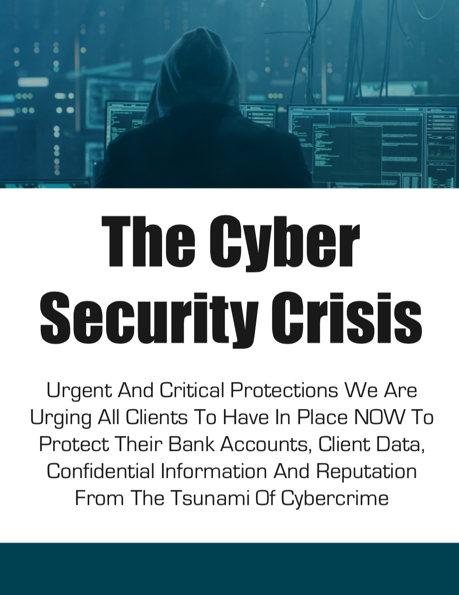
The Cyber Crisis Report
Prefer to start with a resource? Begin reviewing protections that matter to your organization's information, operations, and reputation.
Give Your Team Support That Advances Your Plan
Your employees need technology that helps them do their work. You need to understand where daily problems create exposure and where an investment will make a meaningful difference.
Start a conversation about Managed IT Services with MTS Consulting Group.
The assessment is performed by an independent third-party security company unaffiliated with MTS. MTS helps you interpret the findings, understand their implications, and decide what comes next.